
Mentions Légales in English for a French Website 2026
Setting up a website in France comes with a short list of legal obligations that often surprise English-speaking business owners. The page the French call mentions légales, often described as a mentions légales English French website, is the most visible of them, and it applies whether your site is written in French, in English or in both.
This guide explains what a mentions légales English French website must display, how the French and English versions should coexist, and how the legal notice differs from your privacy policy and your terms of sale. It also covers e-commerce documents, penalties and a practical compliance checklist. Everything below is general information, not legal advice.
Mentions Légales in English for a French Website 2026
Reading time: ~10 min
- What Mentions Légales Actually Are
- Mentions Légales in English for a French Website, What the Law Expects
- What Information Must Appear on the Page
- Legal Notice, Privacy Policy, Cookie Policy and Terms, Who Does What
- Cookies and Consent, a Separate Obligation
- Additional Documents for E-commerce Websites
- Where to Place the Page and What Happens if You Skip It
- A Bilingual Compliance Checklist Before You Publish
- Common Mistakes We See on Expat Websites
- Building Mentions Légales That Work in English and French
- Frequently Asked Questions
What Mentions Légales Actually Are
Mentions légales translate roughly as legal notice or legal information. The purpose is simple, a visitor should be able to identify who publishes the website and who hosts it, without having to search. This obligation comes mainly from the LCEN, the Loi pour la Confiance dans l’Économie Numérique adopted on 21 June 2004, which governs online publishing and electronic commerce in France. The CNIL, the French data protection authority, confirms that a website must identify both the person or company responsible for it and its hosting provider.
How the legal notice works in practice
In practice, this means a dedicated page, usually linked from the footer of every page, containing the identity of the publisher, the registered office, the registration details of the business, the contact information and the hosting provider’s details. For a gîte owner in the Vienne, a consultant in the Dordogne or an artisan in the Charente, the obligation is exactly the same as for a large French company. Only the amount of information changes, depending on the legal form and the activity.
Mentions Légales in English for a French Website, What the Law Expects
The question we hear most often from expat clients is whether an English-language site aimed at a British or international audience can simply publish an English legal notice. The safest answer is no, not on its own. France Num, the French government’s digital guidance service for businesses, indicates that legal notices in French are required when the customers or end users are consumers of the goods, products or services offered. If your website serves French consumers, even occasionally, a French version of the information should exist.

French expectations for bilingual websites
The practical approach for a bilingual site is straightforward. Publish the legally relevant information in French on a page such as /mentions-legales, then publish an English translation on a page such as /en/legal-notice, with identical substantive content and a visible language switcher. Several French organisations do exactly this, and some state openly on the English page that the French version is the reference text. An English translation is a service to your readers, it should never replace the French version when French consumers are in scope.
Good to know
If your audience is purely international and you have no French consumers, an English legal notice may be enough in practice. The bilingual approach remains the lower risk option for any business established in France.
What Information Must Appear on the Page
The content of the page depends on your status. A company usually publishes its corporate name, legal form such as SAS or SARL, share capital, registered office address, registration details with the trade register, SIRET number, intra-Community VAT number where applicable, and contact details including an email address and a telephone number. An individual entrepreneur, including a micro entrepreneur, generally publishes a full name, professional address, telephone number, email address and SIRET number.
Core identification details to include
The hosting provider must be identified separately, with its legal name, full address and telephone number. This detail trips up a lot of site owners, because the host is not the web agency, not the developer and not the domain name registrar. It is the company whose servers actually store the website. If a website publishes articles, news or any kind of editorial content, a publication director should also be named, usually the legal representative of the business. Regulated activities add further obligations, for example professional registration numbers, supervisory body or insurance details.
Here is the minimum set of blocks a compliant legal notice page normally contains:
- Publisher identification, including legal form, share capital where relevant, registered office and SIRET number
- Hosting provider name, address and telephone number
- Publication director for any site with editorial content
- Registration and intra-Community VAT information where applicable
- A reference to the privacy policy and the cookie policy
- A statement that the site is subject to applicable French law
Legal Notice, Privacy Policy, Cookie Policy and Terms, Who Does What
These documents are often merged into a single page, which is a mistake. The CNIL clearly distinguishes legal notices from the information owed to people whose personal data is processed. Each document answers a different question and a visitor, or an authority, should be able to find each one quickly.
How each legal document fits together
| Document | Main purpose | When it applies |
|---|---|---|
| Legal notice (mentions légales) | Identifies the publisher, the publication director and the hosting provider | Every professional website |
| Privacy policy | Explains personal data processing, legal bases, retention and data subject rights under the GDPR | As soon as any personal data is collected, including a contact form |
| Cookie policy | Lists cookies and trackers, their purpose, duration and providers | When analytics, advertising or other non essential trackers are used |
| Terms of use | Sets the rules for using the website and its content | Recommended for membership areas, forums or downloads |
| Terms and conditions of sale | Governs transactions, delivery, payment, withdrawal and guarantees | Mandatory for selling goods or services online to consumers |
A privacy policy should cover the categories of data collected, the purposes, the legal bases, the recipients, the retention periods, transfers outside the European Economic Area, data subject rights and the contact point for exercising them. Our own pages follow this separation, with a legal notice and a distinct privacy policy, which gives you a working model of the structure described here.
Cookies and Consent, a Separate Obligation
Mentioning cookies in a paragraph of the legal notice does not meet French expectations on its own. Non essential cookies, typically analytics, remarketing and embedded social or video players, require prior consent that is freely given, specific and as easy to withdraw as it is to give. That means a consent banner with a genuine refuse option, a preference centre, and a cookie policy listing each tracker, its purpose, its duration and the provider involved. Strictly necessary cookies, such as those keeping a shopping basket working, are exempt from consent but should still be documented.
Additional Documents for E-commerce Websites
If you sell online to French consumers, the legal notice is only the starting point. French and European consumer protection rules require clear information on prices including taxes, delivery terms and timescales, payment conditions, the fourteen day withdrawal right for distance sales, refund procedures, legal guarantees of conformity, customer service contact details and consumer mediation information. These elements usually live in the terms and conditions of sale. Official French guidance confirms that mandatory information may appear on a dedicated page or be incorporated into the general terms and conditions, but the content itself cannot be dropped.
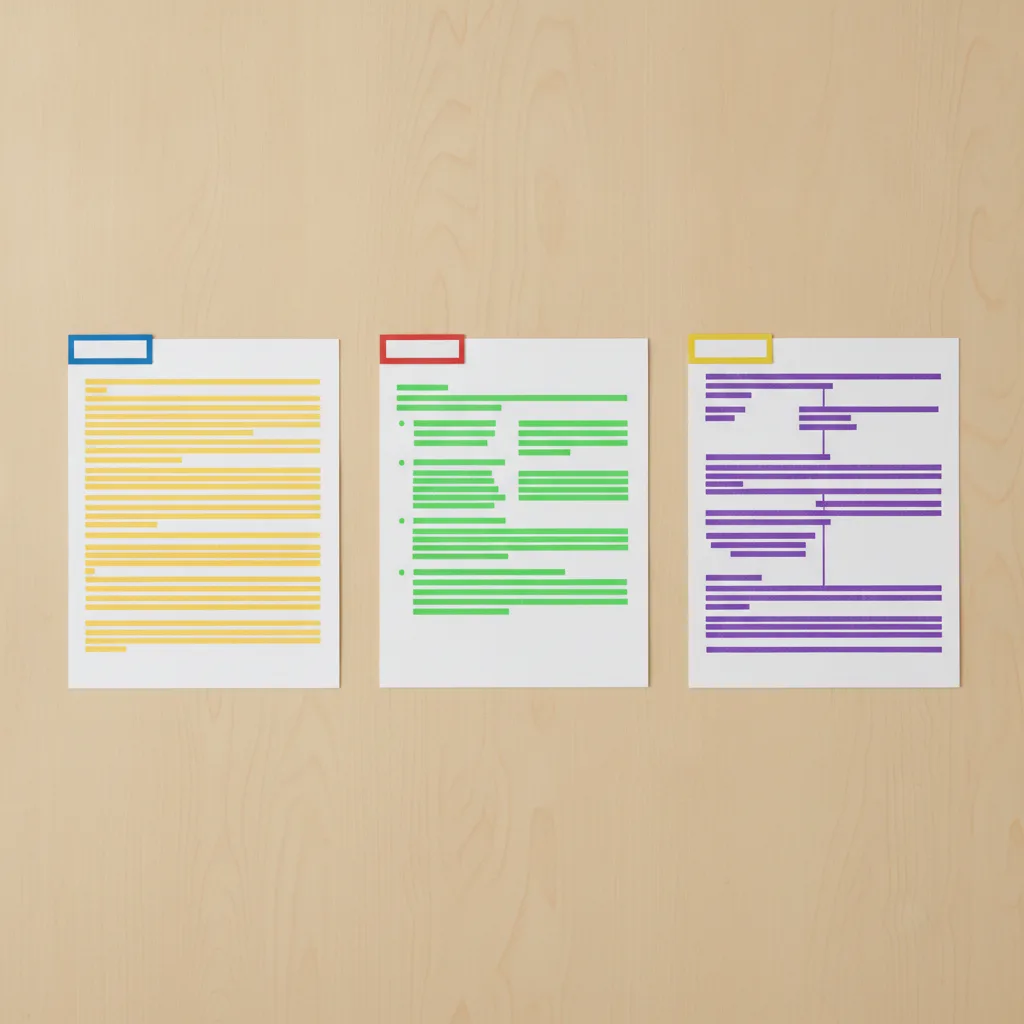
Information that must appear in your terms of sale
For an online shop aimed at both French and English-speaking buyers, the same bilingual logic applies to the terms of sale as to the legal notice. Selling to a French consumer in English does not remove the protection French law gives that consumer, and mandatory consumer rules may apply regardless of the language of the order page.
Where to Place the Page and What Happens if You Skip It
The legal notice must be accessible from every page of the site. The standard and expected location is a footer link, labelled Mentions légales on the French version and Legal notice on the English version, next to the privacy policy and the cookie preferences. Burying it in a submenu or behind a contact form defeats the purpose. The page should be indexable, readable on mobile and dated with its last update.
The cost of ignoring this is not theoretical. French public administration guidance indicates fines of up to 375,000 euros for a company and 75,000 euros for an individual business, depending on the breach and the structure concerned. Beyond the legal risk, a missing or half completed legal notice undermines credibility, especially for a gîte, a B&B or an artisan asking for a deposit from a first time customer.
Important
Requirements vary with your legal status, your activity, your audience and the data you collect. For a regulated profession or a substantial e-commerce operation, a review by a French lawyer or a specialised accountant is money well spent.
A Bilingual Compliance Checklist Before You Publish
Before putting a bilingual site online, run through these points one by one:
- The publisher’s full legal identity, legal form, registered office and SIRET number are displayed and accurate
- The intra-Community VAT number appears where applicable
- The hosting provider’s legal name, address and telephone number are listed, not those of your agency
- A publication director is named if the site has a blog or editorial content
- A French version exists whenever French consumers are targeted, with an equivalent English version
- The legal notice, privacy policy and cookie policy are separate and linked from the footer of every page
- A consent mechanism is in place for non essential cookies
- Terms and conditions of sale cover prices, delivery, withdrawal rights, guarantees and mediation for any online sales
- The page shows an update date and is checked whenever company details change
Common Mistakes We See on Expat Websites
The most frequent error is copying a template from another country, which leaves out the hosting provider or the SIRET number entirely. The second is naming the web designer as the host. The third is publishing an English page only, when the site clearly accepts bookings or orders from French residents. The fourth is merging all legal content into one unreadable block, which makes it impossible for a visitor to find the privacy information quickly. The fifth is forgetting to update the page after a change of address, legal form or hosting provider.

Building Mentions Légales That Work in English and French
Getting this right takes an afternoon, and it sits naturally within a wider site structure that includes clear contact details, a solid internal linking plan and content that ranks. If you are planning a new bilingual site or a redesign, our website creation service covers the legal pages as part of the build, and you can tell us about your project through our contact page.
Keeping your legal pages simple and compliant
Key takeaways for a bilingual legal notice
Mentions légales are not a formality to improvise at the last minute. They identify you, they reassure visitors and they protect you from avoidable penalties. For an English-language site operating from France or serving French customers, the safest structure is a French legal notice page, a faithful English translation, a separate privacy policy, a cookie policy with real consent, and terms of sale if you sell online. Build these pages once, keep them accurate, and they will quietly do their job for years.
FAQ
Can I reuse the legal notice from my previous UK website?
Not as it stands. A UK legal page rarely contains the hosting provider details, the SIRET number or the registration information expected in France, and it will not reflect French consumer rules. Use it as a starting point for the English wording only, then rebuild the content around French requirements.
My site is hosted abroad, does that change anything?
No. The hosting provider’s legal name, address and telephone number must be published whatever the country of the servers. What matters is that a visitor can identify the entity that technically hosts the site.
Does a simple brochure site with no contact form still need a legal notice?
Yes. The obligation to identify the publisher and the host applies to professional websites regardless of whether they collect data or sell anything. A privacy policy becomes necessary as soon as you add a form, analytics or any other data collection.
Should the English legal notice page be indexed by search engines?
There is no obligation either way, and legal pages rarely bring traffic. Keeping them indexable is the simplest option, it guarantees that the page is publicly accessible and easy to find from any search.
Who should be named as publication director for a one person business?
In most cases it is the business owner or the legal representative of the company, named in full. The role concerns responsibility for the content published, so it should be a real person, not a department or a brand name.